

Georgia Shelter Dog Gets Adopted After 300 Days & It Will Make Your Heart Burst
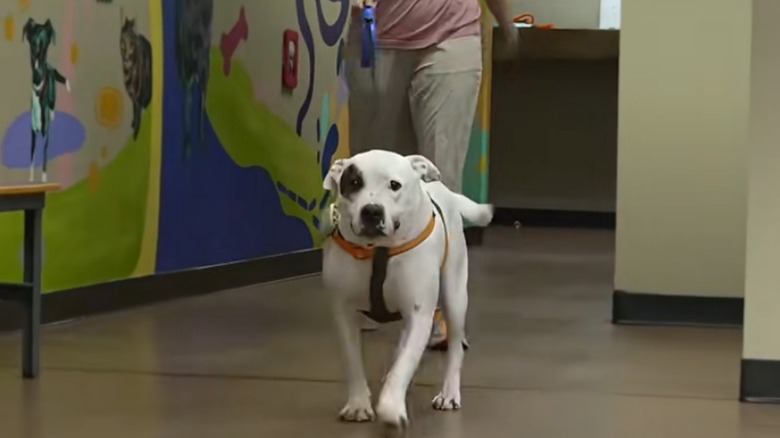
Dogs can't tell time quite like humans do. However, did you know they have a sort of natural internal clock, called a circadian rhythm, that tells them when to wake up, sleep, and eat? That fact makes one Georgia shelter dog's 300-day journey to adoption even sweeter, and thanks to a viral TikTok, we get to see the very moment he's rescued. If it doesn't bring you to tears, we're pretty positive it will make you say "awww."
The Humane Society of Northeast Georgia cared for Rascal, an American Bully, for over 300 days. He was their longest-staying resident, until his very special day, witnessed over three million times! In the amazing video that captures Rascal's first moments after being adopted, we see this adorable rescue wagging his tail on a guided walk out of the building, and he seems to know something great is about to happen.
Then, Rascal's greeted by his new dad and carefully guided into a car with a step stool assisting his entry. "Based on the step stool I just know he's gonna have a great life," said one viewer in the comments. We agree; it's a thoughtful and accessible detail for a sweet and deserving dog!
Why some dogs don't get adopted as quickly
The average shelter stay for rescue dogs is about 14 to 20 days, according to a 2024 Animal Shelter Count (pdf) report. That means Rascal's stay was nearly 20 times longer than most canines! It's wonderful he's officially rescued now, but this raises the question: what causes some dogs to stay in animal shelters longer than others?
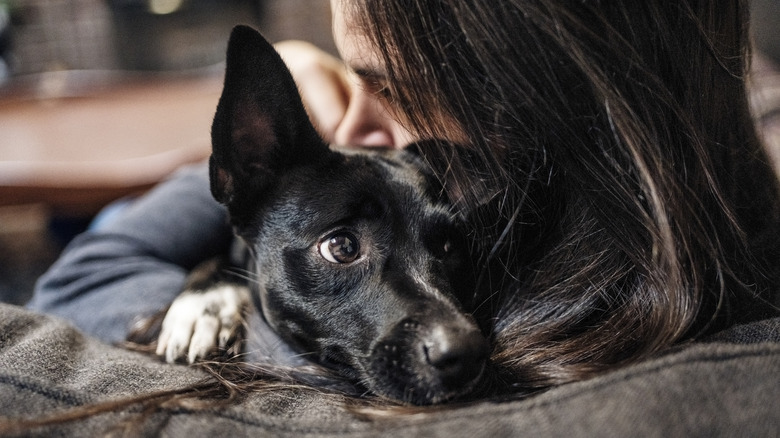
All dogs deserve a forever home, but it's true that certain dogs are often overlooked. Senior dogs are one. A 2026 study by MetLife Insurance found that only 2% of pet adopters prefer senior dogs, while most prefer raising a puppy. Another thing shelter dogs who take the longest to adopt tend to have in common? They're often darker and larger than more quickly adopted dogs. Smaller dogs may get picked for their presumed convenience (especially for apartment dwellers), while some people may prefer lighter dogs due to negative media portrayals of dark and black dogs.
Certain breeds are also affected for similar reasons. Bully dog breeds like Rascal, for example, face discrimination often due to myths of a more aggressive temperament. One thing future owners should know before adopting a 'bully breed' of dog is that they can be quite friendly and affectionate when properly socialized. In fact, essentially all dogs are trainable, so if you're worried about adopting, consider hiring a trainer to help your pup adjust.