

Things You Do Before You Leave The House That Break Your Dog's Heart
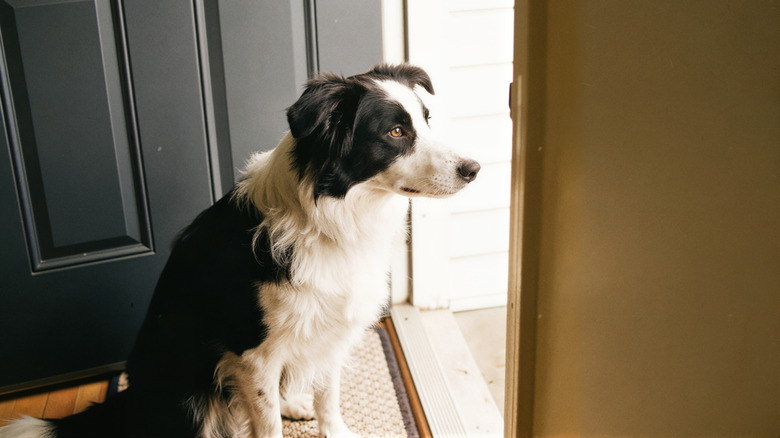
Uh oh. The time has come for you and your fur baby to part ways, but only for a moment! Still, this can be especially tough for Fido no matter the time of day. Of the many things you do that break your dog's heart, leaving for any reason is likely pretty high on its list.
So what do you do to lessen the hurt? Cuteness spoke exclusively with Russell Hartstein, a certified dog behaviorist who offers dog training services in Los Angeles, to find out. "Many rituals that we have indicate we are about to leave, or are getting ready to leave, and dogs pick up on them immediately," says Hartstein.
Think Pavlov's dogs: the same way they learned to salivate when they saw food, your dog can be conditioned to react to all sorts of things you do before you leave the house. Like Hartstein says, "Dogs that are overly attached or that have separation anxiety disorder can be traumatized by the cues we provide before leaving." Here's what those cues might be, and how you can give your dog a bit more peace of mind.
You just took a shower
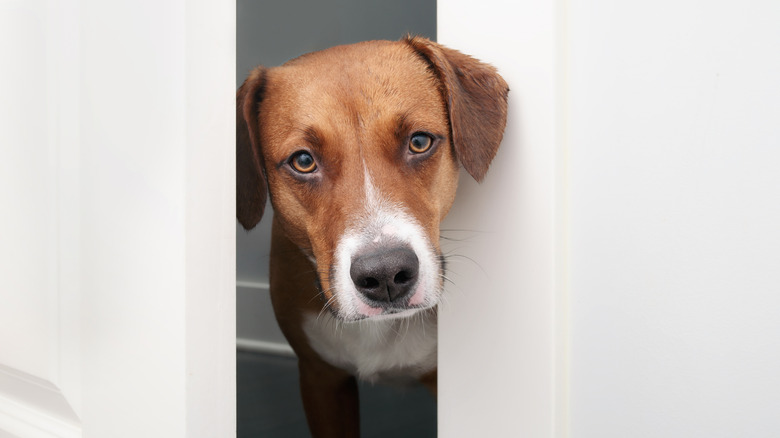
Taking a shower should be uneventful, right? Especially if you've got the cutest little lifeguard protecting you. Well, it's a bit more of a problem if you're this dog owner on Reddit. "I don't close the door when I take a shower as I live by myself, and my dog often ventures into the room to give me a look of immense concern as she sits by the shower," they said.
Perhaps the dog is a bit anxious that her human may be about to go. "Many people take a shower right before they get ready to leave. Hence, a pet gets nervous when you start to go in the shower or finish a shower, " says Hartstein. Since dogs also associate certain times of day with you leaving, the exact time of your shower can elicit anxiety too.
How exactly does an anxious dog act? "Some behavioral signs to look for when your dog is stressed are excess yawning when they're not tired, shadowing you around the house, body blocking you, pawing at you, excess panting, general agitation, pacing, and of course vocalizations of all sorts (barking, whining, wheezing, etc.)," says Hartstein. If your dog shows any of these signs, he urges you to see a certified dog behaviorist or trainer.
You've put on your signature scent
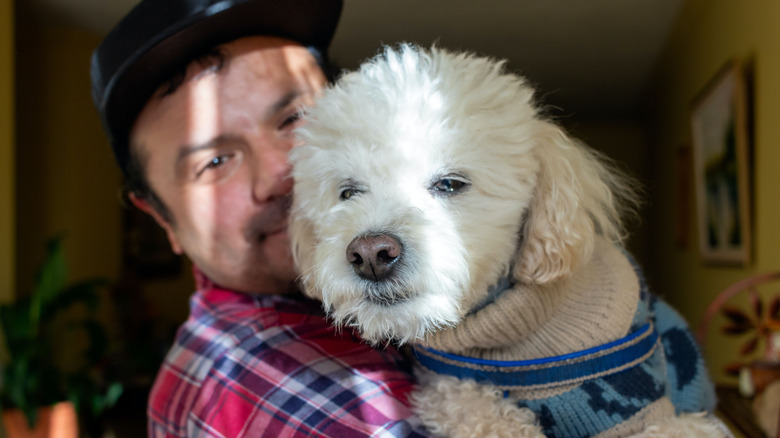
A dog's nose is a fascinating tool, and they use it to understand their surroundings. Canines can smell up to 10,000 times better than humans (here are some unexpected things researchers suspect dogs can smell that humans can't). One pet parent witnesses his dog's scent skills quite regularly. "Why does my dog act like he's dying every time I spray perfume?" he asked viewers on TikTok over a video of his dog rolling around and scratching the floor. His dog may not love the scent, perhaps. Some fragrances, like citrus and cinnamon, can be repellent to dogs.
This dog's reaction could also be due to how he associates that smell. As Hartstein explains, "Some parents put on perfume or cologne only before they leave for social engagements or work. This routine could stress out your pet." Your dog can become conditioned to associate certain fragrances with your outings, even if you're not actually leaving.
The good news? Counter-conditioning and desensitization may help quell your dog's fragrance anxieties. Try pairing your dog's exposure to the fragrance with something it enjoys: treats, toys, or playtime. Over time, your dog will learn to associate the fragrance with something good, rather than something stressful.
You're wearing outside clothes
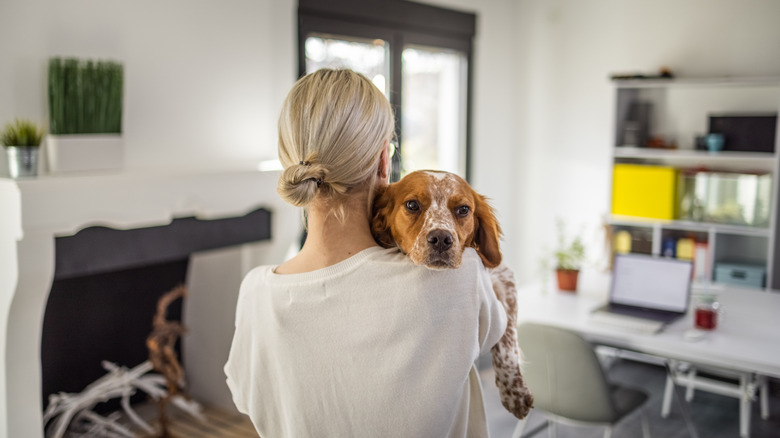
Outside clothes: the idea that some clothes are meant to be mainly worn outdoors. Believe it or not, it's a concept your dog likely knows well. According to Reddit, even a little puppy can tell. "I have to wear a suit to work. If my puppy is out while I'm getting ready, she starts going nuts when I put the uniform on," said the Redditor.
They said that their pup tries to nip at the uniform, a thing she doesn't do with any other outfit. As Hartstein explains, "whether it be a jacket, a briefcase, or anything that usually accompanies us before we go to work," can trigger a dog's anxiety about you leaving. One commenter offered that the Redditor might try putting on their suit at random times and then taking it off: a counter-conditioning tactic of sorts.
In general though, Hartstein recommends de-escalating your departures and arrivals. "In other words, do not say goodbye to your dog, " says Hartstein. "Don't make a big deal about you leaving or coming home." Over time, your dog can learn to associate neutral, non-anxious thoughts with you leaving.
You picked up your keys

Dogs can have strong reactions to your car keys, as one person on Reddit learned. "I was giving my dog some treats and I pressed my push button keys. When it popped up he gave me a timid look and walked away from me," said the Redditor.
Hartstein explains that these sorts of cues can be quite triggering to your dog. "It can be the sound or the placement of your keys that triggers stress. The same goes for starting your car and/or opening a garage door," says Hartstein. One Redditor recommended counter-conditioning the dog by pressing the key at varying times throughout the day.
They had the right idea, as Hartstein offers a similar plan of action. He urges pet parents to say their goodbyes at least 30 minutes before leaving home. Afterwards, "only provide attention and speak with them or pet them after they have settled down significantly and are ignoring you," explains Hartstein. The goal is to help your dog disassociate anxiety from your comings and goings.