

We Asked A Shelter Worker Which Dog Breeds Are Returned The Most And What That Says About Their Needs
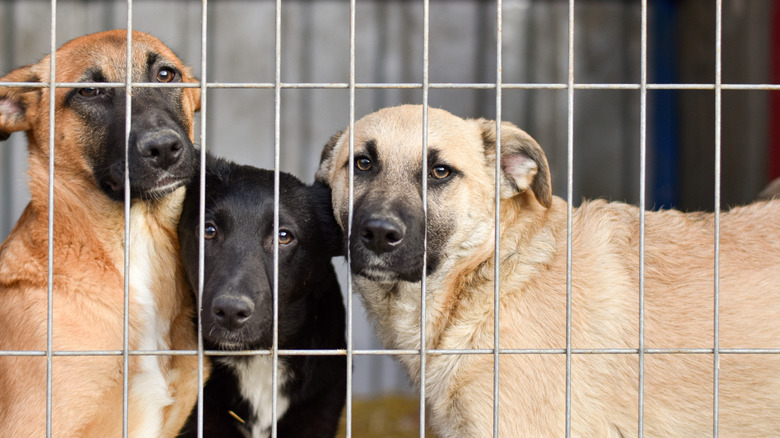
Animal shelters are overflowing with pets in need of a home. Many dogs are fortunate enough to find one, but sadly, some end up back at the same facility from which they were adopted. Some shelters note similarities in the ones that get returned. In fact, Meagan Licari, executive director of Puppy Kitty NY City Inc., a volunteer-based animal rescue, tells us four of the most commonly returned breeds to her shelter during an exclusive chat with Cuteness: pit bull terriers, German shepherds, Rottweilers, and Chihuahuas.
In some cases, adopters simply don't give the dogs enough time to adapt to a new environment or meet their expectations; they give up too soon after assuming their four-legged family member will be the perfect pet with no inconveniences. They also don't approach the dog adoption process with enough patience and understanding, so they end up concluding that the dog isn't a good match for their family after just a few weeks or even days. So, what exactly goes wrong in these scenarios? Licari addressed this question, based on her personal experience at the New York shelter.
Why certain breeds get returned to shelters more than others
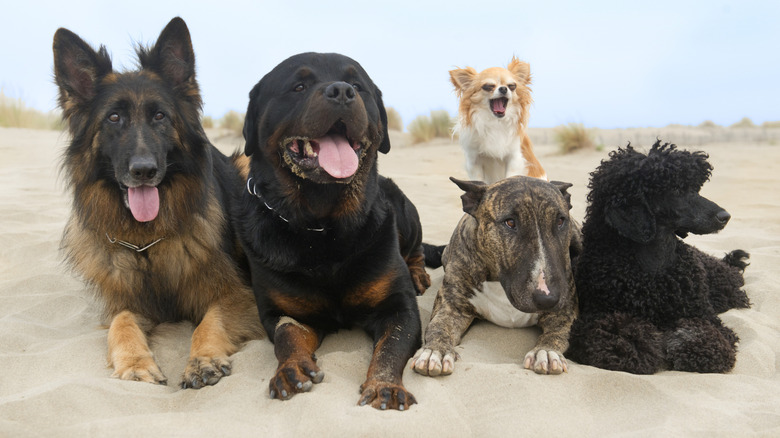
Pitties, rotties, GSDs, and Chis make wonderful companions for thousands of families all over the world, but responsible owners play a vital role in these successes. After all, you can't expect to form a close bond with a dog or fully earn its trust if you leave it outside all day and night. You can't expect a well-behaved pup if you do nothing to stimulate it physically or mentally, like take it for walks or give it fetch toys for dogs — or any other toys.
This is why Meagan Licari mentioned "behavior" as the most common reason that these specific breeds get returned. "I would say [it's] most likely due to behavior that owners don't know how to deal with," she exclusively tells Cuteness. "It's not special needs as far as medical issues, but special needs like needing to work and be mentally stimulated, and if they are not, it leads to serious behavior issues." Like children, dogs need to be taught and trained. They also need someone with patience and understanding who's willing to do what it takes to meet their needs.
Despite these and other hiccups that sometimes arise with adopting, Licari still recommends it to anyone planning to add a dog to their family: "Always adopt. Don't shop. [There are] so many breeds in shelters needing homes." But before you do, research unfamiliar breeds and volunteer to foster a dog on a short-term basis before committing to adopt. This can help reduce the likelihood of a boomerang adoption.