

Mini Dachshund Puppy's Tail Wags Go 'Off The Charts' When His Human Comes Home
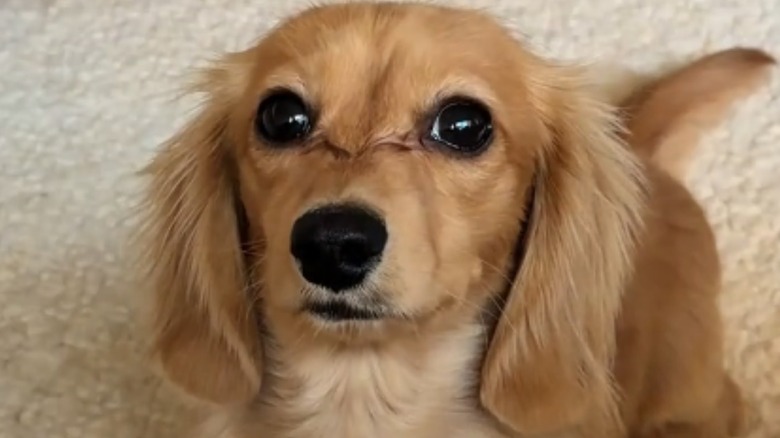
The love of a pet is unmatched. They're always there for you, in good times and bad, just happy to spend time with you. Any pet owner knows that an excited welcome at the door can be the best part of the day — for both you and your four-legged friend. If you're ever in need of such an uplifting greeting, have we got the TikTok video for you: A super-happy mini dachshund wagging its tail that'll surely make you smile!
@panchothedivaa and then he peed all over me 😂 #minidachshundpuppy #minidachshund #dogtok #doxie
Captioned "pov you just came home and the wags per minute are off the charts," the tan pooch named Pancho is looking up endearingly when his human opens the door, with his long tail whipping back and forth as a sign that he can't contain his joy. In fact, his human notes that he eventually got so excited that "then he peed all over me 😂."
"At least 50 wags per min," aka WPM, said one viewer, as others joked, "[h]e's bouta fly off the ground" and "prepare for take off!" If that's the case, sign us up for a ticket, because those would indeed be some friendly skies!
Why do dogs wag their tails?
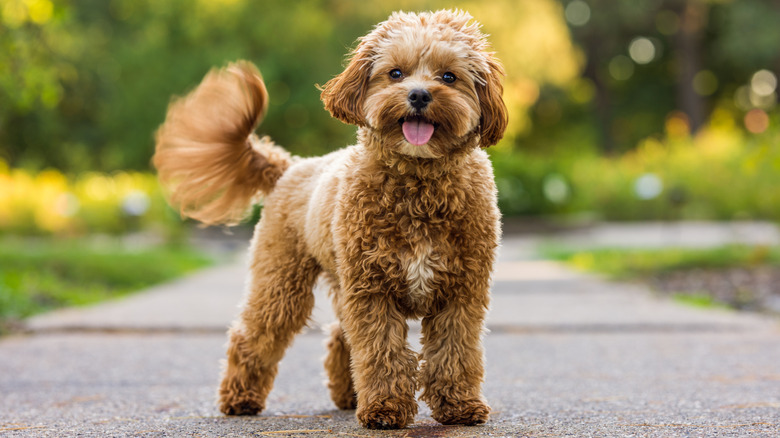
One major thing associated with dogs is tail wags. Every dog does it, but why? And what is your dog's tail telling you? Well, it's a big way they communicate their emotions, usually indicating happiness or excitement, but sometimes to show fear or anxiety. To humans, tail-wagging is most often interpreted as friendliness, especially when there are broad, loose, fast swings happening.
However, dogs also wag to spread their scent and communicate with other dogs, or it could be a sign that a dog is intensely focused. Sometimes, it's used to show submission when afraid, while other times, a more guarded wag could be used as a warning when threatened or a sign of apprehension.
In general, though, dogs usually wag their tails around their owners and other people and pets they feel comfortable with to express joy, contentment, and an eagerness to play or receive affection. Of course, it's important to consider the situation at hand and read the rest of the dog's body language to best determine the meaning of the wag. If you want to learn more about tail wagging, check out whether wagging is voluntary or involuntary for dogs and why cats wag their tails too.