

6 Things You Do That Break Your Kitten's Heart
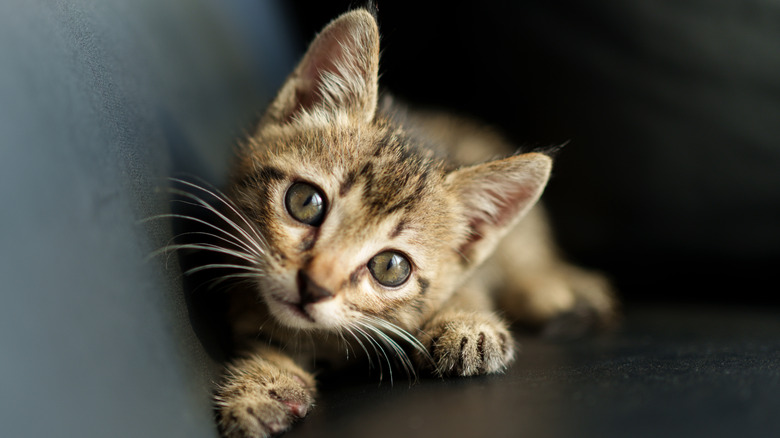
You may not mean to hurt a cute little kitten's feelings, but it can inadvertently happen just by shaking up their small world. Kittens depend on their pet parents for vital needs, safety, and companionship, so things like brushing off their attempts to cuddle, punishing them for instinctual behaviors, or leaving them alone for long periods of time can make them feel confused, stressed, or even slightly heartbroken.
When their sense of security and trust starts to fade, even the bravest little kitty can become timid, anxious, or less engaged — and no one wants that. Feeling loved and secure is what helps a kitten's curious, goofy personality truly shine, so it's best to try to always remember that empathy and patience go a long way toward keeping your tiny friend happy, healthy, and bonded with you. In order to avoid potentially breaking your kitten's heart, steer clear of these six things — and hopefully strengthen your bond with your cat in the process.
Handling them roughly
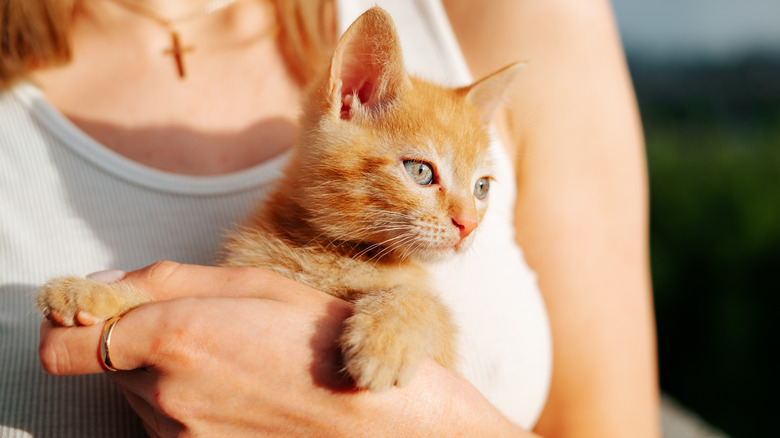
Harshly handling a kitten, including rough play, can cause physical injury and stress. Kittens are delicate and highly impressionable, so callous treatment can result in fear, anxiety, and aggressive behavioral problems later on. Do not wrestle, drag, or use excessive force when holding them, even if you think you're playing. Instead, play gently using interactive long-range toys such as feather wands and laser pointers, and always err on the side of caution when it comes to picking them up.
Punishing bad behavior
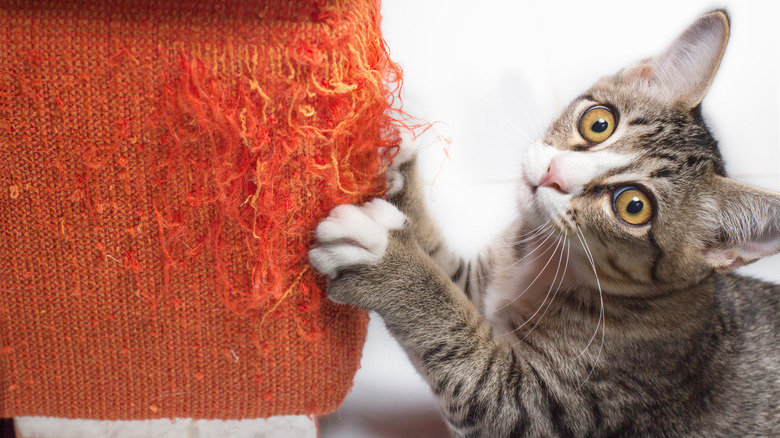
Kittens don't understand punishment the way people do. Yelling or using physical discipline will only make them fearful and damage their trust in you. Instead, gently redirect their attention to an appropriate toy or reward good behavior with positive reinforcement using pats and yummy treats. It's imperative to remember that cats and kittens don't misbehave out of spite; they're simply following their natural instincts, whether that's scratching, climbing, or exploring. Sometimes, their behavior is also their way of telling you they need something, like food or more playtime.
Ignoring their affection
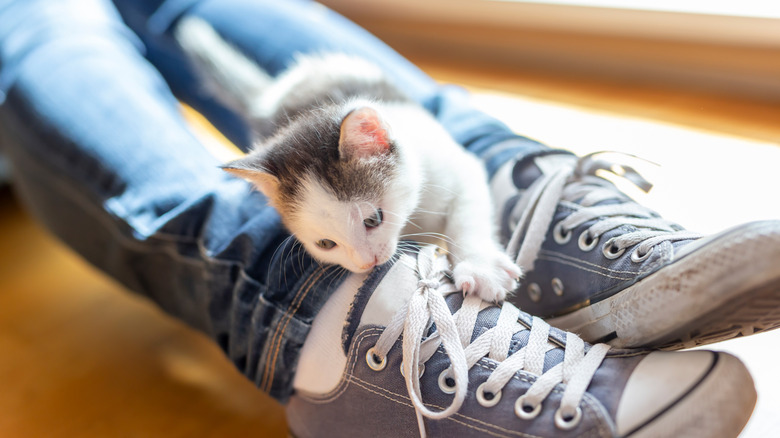
When your kitten headbutts you or rubs up against your legs, they're showing you affection, building a bond, and letting you know that they trust you. Consistently pushing them away or ignoring these sweet little gestures can leave them feeling sad and confused. Instead, take just a moment to return the affection with a few gentle pets, kind words, or a little playtime. Even brief, positive interactions help strengthen the kitten-human bond and reassure your little furry friend that they're safe and loved.
Neglecting playtime
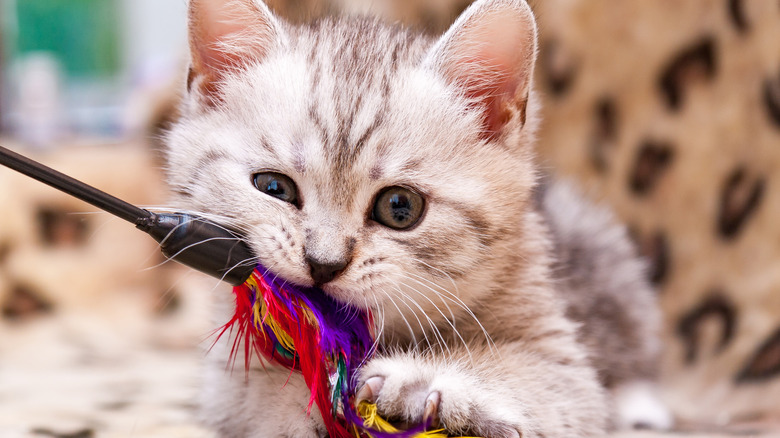
Kittens are bundles of energy, with curious minds that need daily opportunities to play, explore, and interact. Without enough daily essential enrichment activities for physical and mental stimulation, they can get bored, which may lead to unwanted behaviors. Even just 20 minutes of interactive play a day helps them burn off that energy, explore their natural instincts, and strengthen the bond they share with you. For a kitten, play isn't just fun; it's an important part of growing, learning, and bonding. If you don't have time to play with an energetic kitten, getting an older cat may be better.
Leaving them alone to fend for themselves
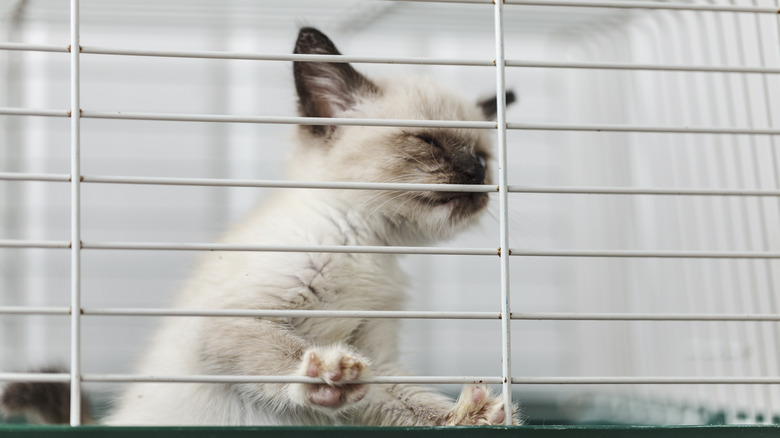
Kittens shouldn't be left alone for long stretches of time as they're still babies that rely on frequent care and supervision. They need regular feeding, playful interaction, and a watchful eye to help them learn. Being alone can leave them with separation anxiety or signs they are feeling lonely, as well as a risk of injury, which can come from things like hair ties left out or squeezing into tight spaces. At this stage in their life, providing short, consistent check-ins throughout the day will help ensure their safety, health, and happiness.
Disrupting their routine
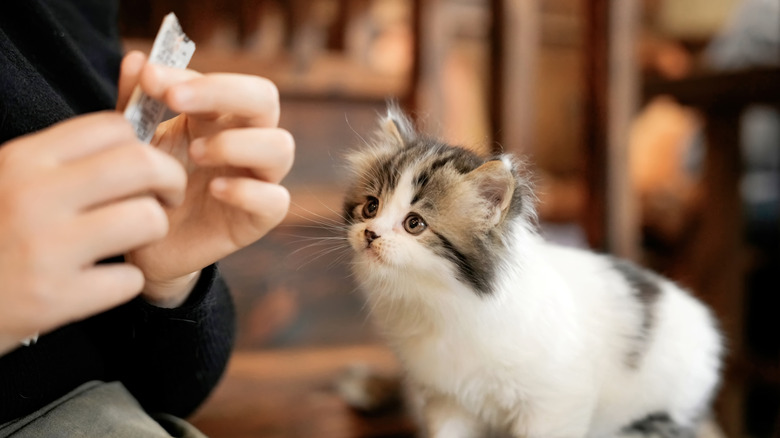
Kittens do best when their days follow a steady, predictable rhythm. Knowing when to expect meals, rest, and playtime helps them feel secure and grounded as they learn about the big, human world around them. When their routine suddenly shifts or their environment feels unpredictable, it can leave them feeling stressed and can spill over into behavioral issues. A stable, reassuring environment helps kittens build trust and adapt more easily, giving them the security they need to grow into well-adjusted cats.