

German Shepherd Gives Off 'Middle Child Vibes' After Getting A New Puppy Brother
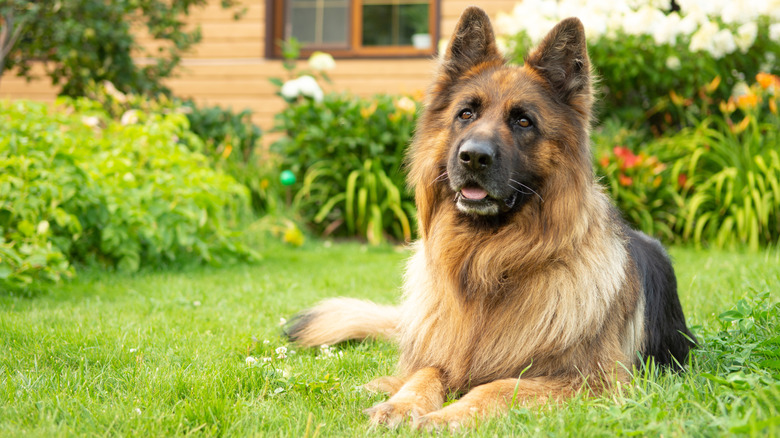
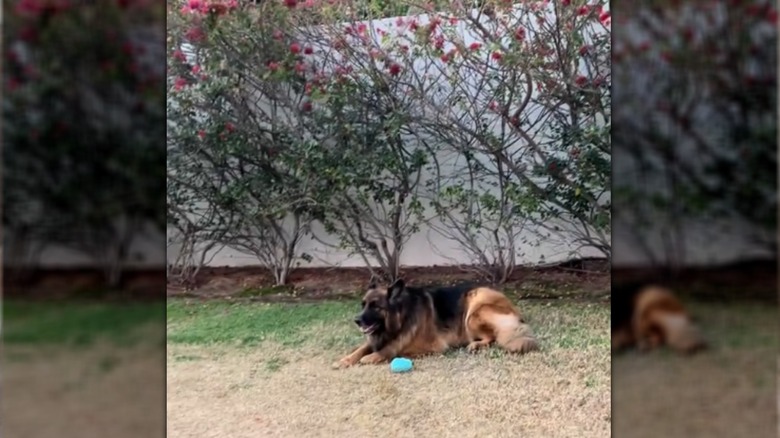
Being the middle child sometimes feels like living in the background, where you're too old for the baby treatment, too young for the big-kid perks, and just quietly wondering where you fit in. At least that's the kind of existential crisis this maturing German shepherd seems to be having while watching his sibling and new puppy play. Who can relate?
@theshepherdbros Bear is no longer the baby, but all good! He actually had play time with little Ollie earlier and we make sure Gronk and Bear still get their time together 🤍 #dog #dogsiblings #germanshepherd #newpuppy #fyp
Titled "pov: when you get a new puppy and now your younger German shepherd gives off middle child vibes," the video shows two dogs playing in the yard while a third sits by the sideline. Of course, the content creator cleared things up by saying, "Bear is no longer the baby, but all good! He actually had play time with little Ollie earlier and we make sure Gronk and Bear still get their time together."
In the comments, several people ran to say things like, "Get another one," to help solve Bear's perceived loneliness problem, and one person admitted, "Wait why did this make me cry." Whether Bear is actually sulking or simply taking a break, he inadvertently became the furry face of middle-child energy everywhere.
Do dogs get sad?
Dogs may not dwell on life's big problems, but they can definitely have times of sadness and other feelings. Big changes like losing a furry friend, moving to a new home, or adjusting to a new baby or puppy can leave some canine companions acting noticeably different.
A dog that's feeling down might sleep more, ignore favorite toys, or seem less interested in walks and playtime. While some dogs become clingier, others withdraw or cope through behaviors like chewing furniture, peeing in the house or on beds, or repeatedly licking themselves. Since all these signs can also signal pain or illness, it's important to have a veterinarian rule out a medical cause before assuming it's purely emotional.
Once health concerns have been eliminated, a little extra attention can go a long way for your melancholy pup. Regular exercise, one-on-one playtime, and keeping a familiar routine can help many dogs regain their confidence and bounce back to the happy, confident pal they once were.