

Rescue Dachshund Still Cries When His Parents Leave And The Reason Is Breaking Hearts
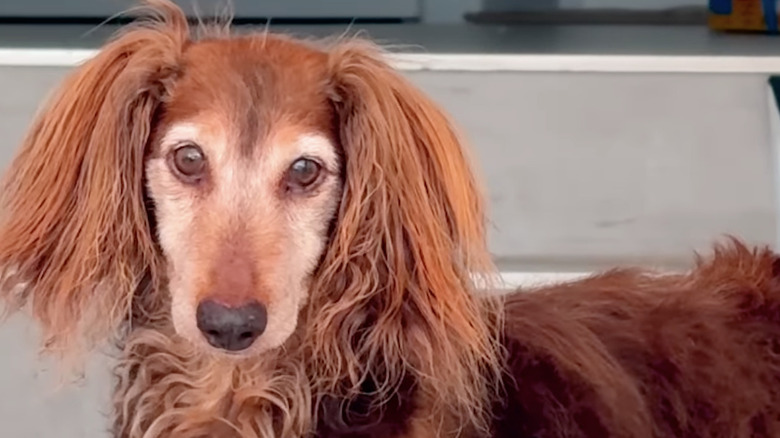
Separation anxiety is real in some pets, with signs including clinginess, pacing, and excessive barking. So, stumbling upon this poignant Instagram story featured on The Dodo about a senior rescue dachshund who still cries when his pet parents leave was a little heartbreaking and a whole lot of hopeful. It's a rescue story we hope inspires others to open their hearts and minds to adopting senior pets.
The video chronicles the life of Charlie, a 15-year-old dachshund who was adopted by his pet parents two years earlier, and explains how the pup still experiences separation anxiety when he's left alone, probably stemming from his time at a shelter. He often barks excessively but is oh-so-happy when he's around his humans, who have gone above and beyond to accommodate their house to his needs and short, stubby legs. Now, he's clearly living his best life, classified as "the perfect mix of grumpy old man and playful puppy."
"My heart is melting!! You can literally feel the happiness radiating off of him." noted one person in the comments, as another stated, "Senior dogs deserve the best golden years!!" Indeed they do, so if you're considering adopting a dog, here are three great reasons you should consider adopting an older dog and a step-by-step guide on how to adopt a dog.
Is long-term separation anxiety normal in dogs?
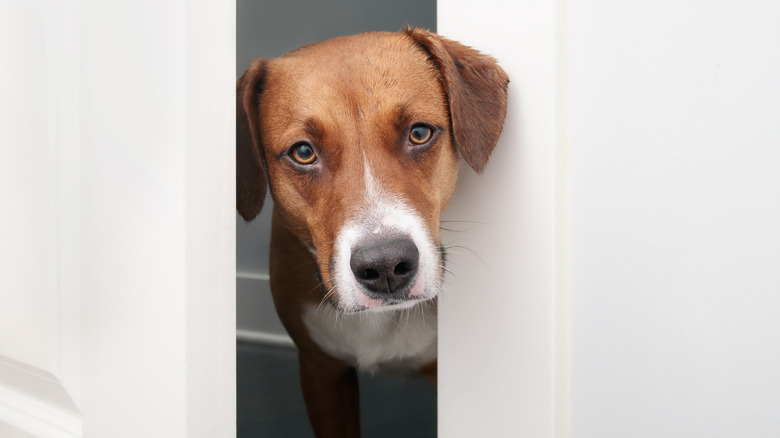
Lots of pets experience separation anxiety, as they genuinely enjoy being around their humans. But sometimes, it can get excessive and concerning to the point where some outside help needs to be brought in, so Cuteness reached out to certified dog behaviorist and trainer Russell Hartstein of Fun Paw Care Dog Training for his take on when you should get your dog help, if needed.
According to Hartstein, it is not normal for a dog to still experience separation anxiety after a few years in a new home. He shares exclusively with Cuteness, "Separation anxiety disorder needs to be treated by a certified dog behaviorist (and many times in conjunction with a veterinarian behaviorist) and generally does not just go away on its own. Separation anxiety tends to be the most intense in puppyhood and in old age. Without treatment, separation anxiety typically gets worse and lasts a lifetime."
While many pets show clear signs of needing help — like nonstop barking, pacing, or fixating on the door when left alone — some do not show clear, obvious signs. "It's important to understand that all dogs manifest anxiety in different ways," says Hartstein. "Some are more obvious and vocal, and some suffer silently. However, any type of separation anxiety is traumatizing for pets." If you suspect your pet may be suffering from separation anxiety, he recommends installing a camera with both audio and video to analyze your pet's behavior when you are not at home to get a better understanding of the situation.