

The First New Cat Species Discovered In 100 Years Looks Like A Beanie Baby Come To Life
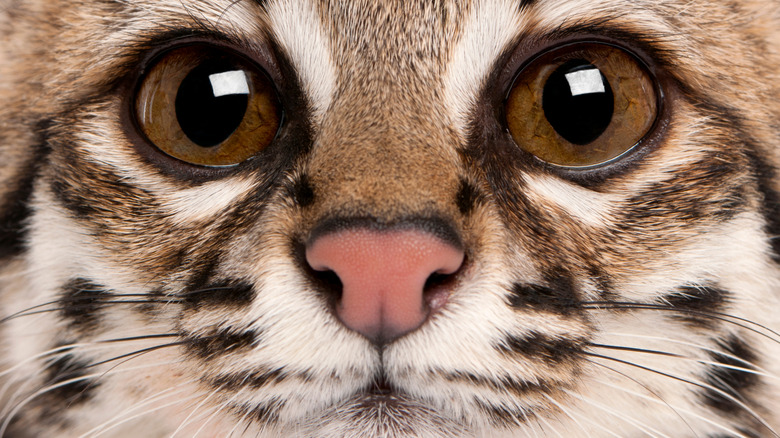
It's not every day that a new cat species is identified by scientists. In fact, up until 2026, it had been more than a century since scientists last told the world about a novel species of felid. A study published in Current Biology in September 2026 has introduced the tilcayo tiger cat, Leopardus tilcayo, a small spotted cat found in the mountainous Bolivian Yungas ecoregion of South America — and it's adorable.
New cat alert! A call from a wildlife sanctuary about a "weird cat" has led to the first new cat species discovered in over 100 years in Bolivia's Yungas forest ecoregion. Learn more about this feline surprise: https://t.co/crffXvPqH4 pic.twitter.com/USo7rI3Y5q
— National Geographic (@NatGeo) September 17, 2026
Biologist Paola Nogales-Ascarrunz first saw a tilcayo tiger cat after being called to the Senda Verde wildlife rescue and sanctuary in La Paz, Bolivia, in 2016 to examine the tiny creature. "I took a hundred pictures of it," she told National Geographic. "I was so fascinated." She thought the 3-pound, 18-inch-long cat with round ears and leopard-like spots might belong to the Leopardus tigrinus species, but it wasn't until several years later that she was able to analyze the animal's genome and discover that it was something else entirely. The genetic evidence suggests that the new Leopardus tilcayo is one of five species that make up the Leopardus genus, and its cuteness has taken over the internet.
"I wanna give this little guy a kiss 💋," one person commented on National Geographic's tweet about the new cutie-patootie kitty. Another wrote, "I've seen this dude in an arcade as a prize and you are telling me they just found him?" referencing its huge eyes and fluffy fur that make it look a lot like a plushie. This netizen summed up pretty much everyone's thoughts by asking, "If not friend, why friend shaped?"
Learning more about this cute new species
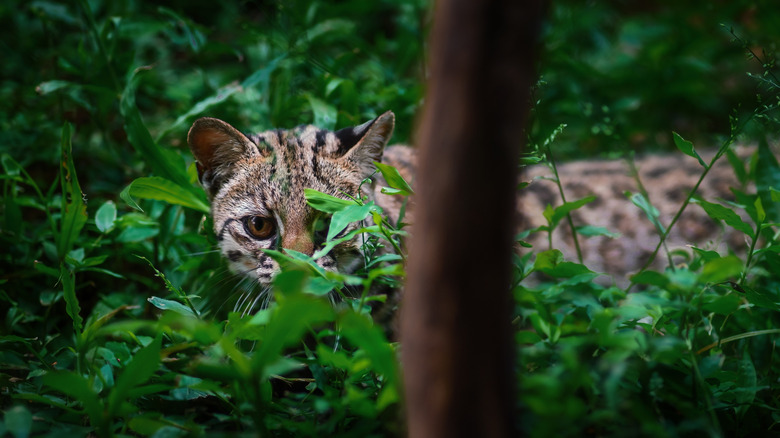
The cat's scientific name, Leopardus tilcayo, is a nod to the moniker that native Bolivians have long given to this creature, "tilcayo." "It's our way of honouring their ancestral knowledge and connection to this animal," Eduardo Eizirik explained to Discover Wildlife. Eizirik, a professor at Pontifícia Universidade Católica do Rio Grande do Sul in Brazil, collaborated on the study published in Current Biology.
Identifying Leopardus tilcayo — which seems to be one of the cat breeds that stay small all their lives — is just the beginning of this fascinating scientific journey. "We really don't know how many cats are still in the wild," Paola Nogales-Ascarrunz told NBC News. "We need science, we need more studies to answer this question, which is actually critical for its conservation." For now, the world will just have to make do with the sole Leopardus tilcayo still kept at Senda Verde, who is now 10 years old. As one person wrote in response to National Geographic's tweet, "The real question here is can I pet it? 😍"
Want to read more stories about wild cats? Learn all about fishing cats — they're one of the rare feline species that thrive in the water — then read about a homeowner who called the police over a potential cat burglar that turned out to be a bobcat.