

Potential Risks Of Spaying Or Neutering Your Dog

For decades, veterinary professionals have been encouraging pet owners to spay and neuter their pets, highlighting the benefits these procedures provide. Spaying can help lower the chance of your pet getting uterine infections and even breast cancer, while neutering gives your little love bug its best chance at forgoing testicular cancer and prostate problems generally. These surgeries also reduce roaming and aggressive behavior, lower urine marking in males, and subsides heat cycles in females. What veterinarians don't talk as much about, however, are the surgeries' potential complications and inconveniences. Spaying and neutering your dog comes with risks both during and after surgery, including infections and hormonal changes.
Keep in mind that no surgical procedure — for animals or humans — is guaranteed to be problem-free. In the case of spaying and neutering (there's a difference!), you'll be happy to know that the risks are low, and the benefits far outweigh them. The decision of whether or not to sterilize your pet is, of course, entirely up to you, and considering both the pros and cons may help you decide. You may also want to speak with your veterinarian for information about the benefits and risks specific to your dog's breed, age, and overall health before choosing whether or not to schedule a surgery.
Spaying and neutering presents surgical risks for dogs
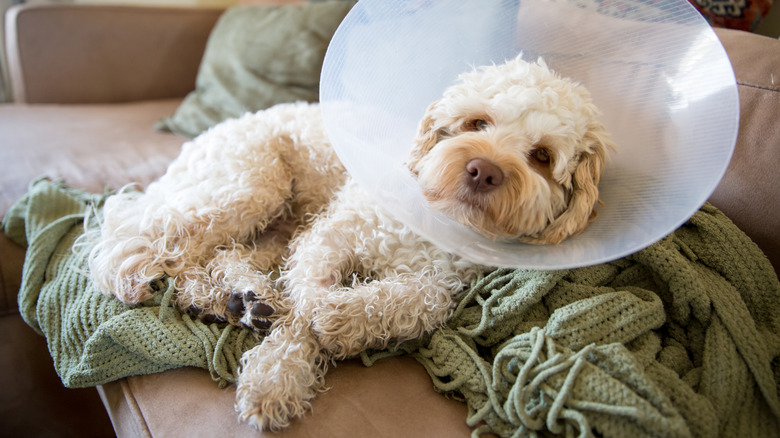
Spaying and neutering both require the animal to be placed under general anesthesia for comfort and safety reasons, but the anesthesia can threaten your dog's comfort and safety. Anesthesia carries a slight chance of complications, some of which are higher for certain breeds. Although veterinarians take extra precautions to keep pets safe during surgery, certain factors can influence how a dog reacts to the IV drug.
For example, bulldogs and pugs are more likely to experience airway-related issues while anesthetized, and toy breeds like Chihuahuas and papillons hold a greater risk for accidental anesthesia overdose because they're more prone to hypothermia. After all, a low body temperature affects how the body processes anesthesia, and smaller dogs get colder more quickly than others. Some dogs may also experience an allergic reaction after being anesthetized, resulting in hives, swelling, or anaphylaxis.
In addition to risks during surgery, your dog could face post-surgical risks. Your veterinarian will provide you with instructions on how to care for your dog after neuter surgery or spay surgery for the first 24 hours and beyond. However, your pup might still experience a complication during recovery, even if you follow those instructions carefully. Infection at the incision site, bleeding, and incision opening are all possibilities. If you notice any of these issues, contact your veterinarian or after-hours emergency pet facility.
Spaying or neutering may trigger hormonal shifts in your dog
The process of spaying or neutering a dog involves removing its reproductive organs, which can cause a major drop in their sex hormones. This shift in hormonal levels can slow down your dog's metabolism, meaning your furry friend might gain a pound or two, if not more. In some cases, spaying a female dog could affect her bladder, resulting in urinary incontinence. Your dog's coat texture, thickness, or color may also be affected by these hormonal changes.
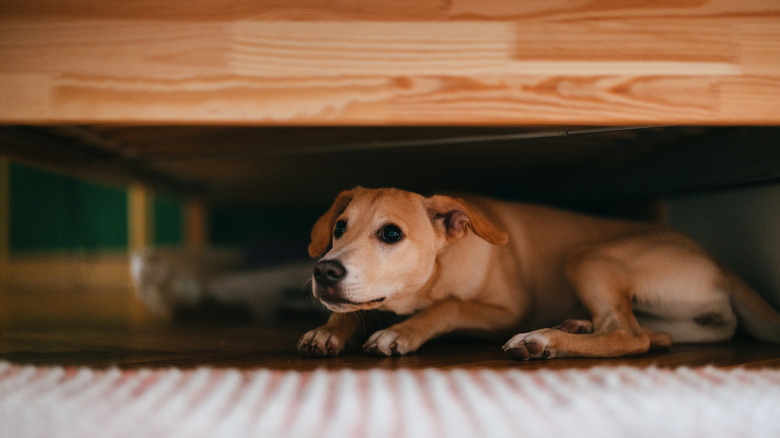
Hormones influence not just your dog's body but also its behavior. For instance, reduced hormone levels can influence how your four-legged friend responds to environmental triggers and stress. While spaying or neutering reduces unwanted behaviors like humping, marking, and roaming, it can increase anxiety or fear levels or cause your dog to be more sensitive to touch or noise. If you have a young female dog, you may notice aggressive behavior, particularly toward other dogs.
The results of these hormonal changes after a spay or neuter procedure might be mildly inconvenient for you or your dog — if they bother you at all — but they're not life-threatening. In fact, you might even find the coat changes a desirable side effect; some dog owners have said that their dogs' coats became softer after the surgeries. Ultimately, just make sure to speak with your veterinarian if you have any specific concerns about hormonal changes or any other spaying and neutering risks.