

Sleepy Capybara Snoring Like A Human Earns 'Capysnora' Nickname On Social Media
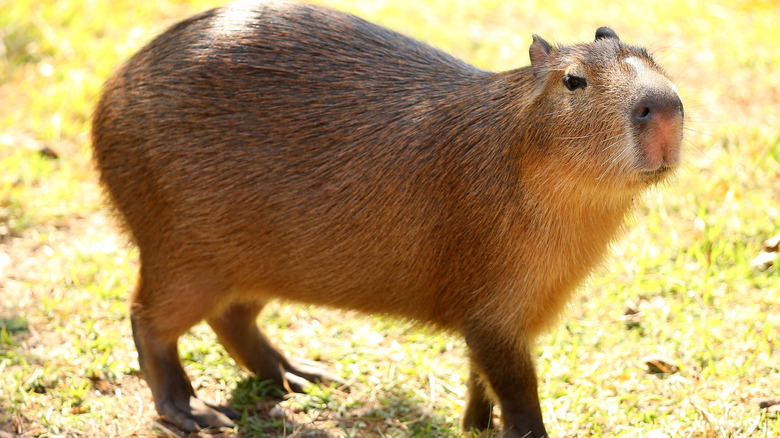
There's nothing like a good, old-fashioned snooze — head back, mouth open, snoring up a storm. And there's no better example of this kind of deep-sleep nap than this charming capybara showing off its impressive snoring skills without a care in the world. If you thought capybaras were cute before, wait until you see this bubble-bellied sleepyhead!
Sound of a capybara snoring pic.twitter.com/YmXxdLkv4R
— Science girl (@sciencegirl) May 21, 2026
Posted by Science Girl on X (formerly Twitter), the quick clip is simply captioned "sound of a capybara snoring," showing the cute, oversized guinea pig-like rodent belly up, lying on its back out cold while snoring like a human. "Capysnora," one person ran to the comments to nickname the animal, as others dropped feedback like, "haha they sound exactly like humans!" and "my mans is OUT!!" Meanwhile, one person bluntly pointed out: "When I snore like that, no one thinks it's cute." Next time, just throw on a capybara costume and call it a day, perhaps!
What is a capybara?
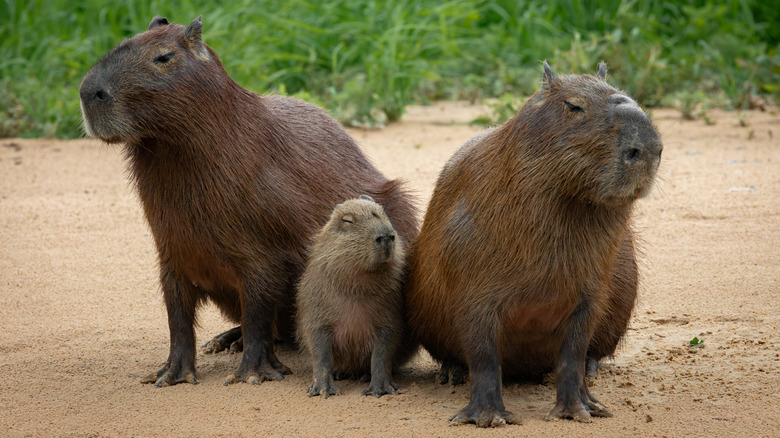
Native to South America, capybaras are the largest rodent in the world, weighing up to 143 pounds and measuring approximately 4.6 feet in length. Despite their large size, they are known to be calm and sociable, earning them newfound popularity on social media and beyond in recent years for their chill approach to life.
Semi-aquatic, capybaras are similar to beavers in that they have webbed feet that make them excellent swimmers, as well as continuously growing teeth that they need to wear down. Meanwhile, they resemble giant guinea pigs with coarse hair and pig-shaped bodies that give them natural buoyancy and their unique look. Capybaras are gentle herbivores who mainly eat grass and carry a relaxed demeanor that often sees them living harmoniously with other species, even landing them on this roundup of 16 interspecies friendships that are too pure for this timeline.
If you want to know more about some unusual wild animals, read all about the strange trunked animal you can only find in the Americas and Asia, or this rare mammal discovered in North America that now faces a new threat.